Home · Services · Generator Hookup & Installation
Generator Hookup & Installation in Englewood, CO
Quick answer
Generator hookups in Englewood installed in the calm season, outage circuits listed first, backfeed impossible by design in Englewood, shaped by postwar homes on small original panels where small panels, modern loads, and aluminum era wiring drive the call pattern.
Generator Hookup & Installation in Englewood starts with the local read: postwar bungalows and ranches, small brick homes along the old streetcar lines, and redeveloped mixed use blocks near the city center, wired in eras from knob and tube remnants to modern copper. The Harvard Gulch side of the service area and the city's cold winters with space heater loads, summer storms with surge exposure, and dry high sun that ages exterior service equipment set the order of work, and the scope names that order in writing before anyone commits to a price.
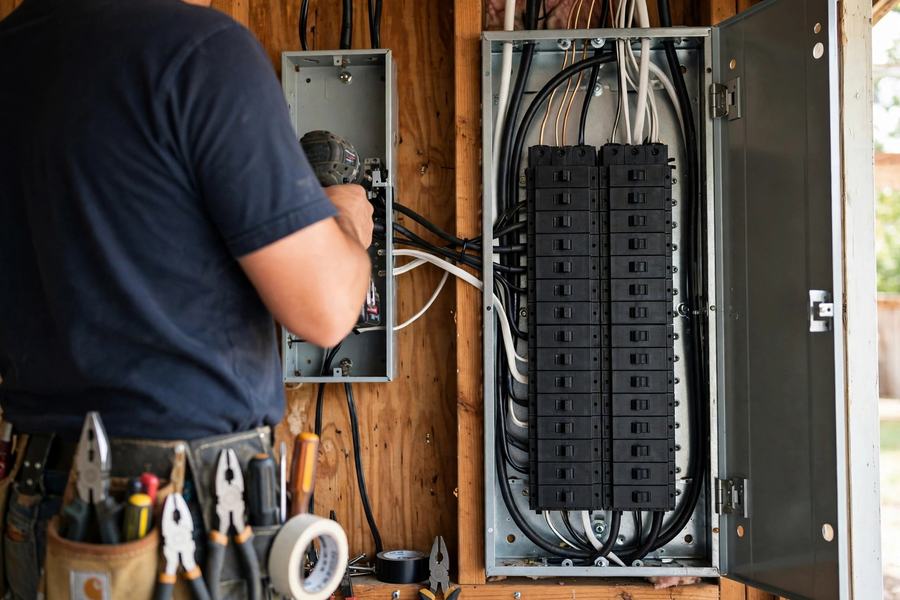
How we approach this job
Diagnosis and insurance documentation: For generator hookup & installation in Englewood, the buying situation is a problem with a cause: find the real source, document it with photographs and readings for any claim, and only then price the fix.
Signs you need generator hookup & installation
- A standby generator is on the plan before the next storm season. It usually means a permanent unit changes the sizing conversation: fuel, pad, and transfer equipment are one permitted project.
- You have heard the term backfeeding and want it done the safe way instead. It usually means backfeeding through an outlet can energize lines and kill lineworkers; the interlock or transfer switch exists to make that impossible.
- You own a portable generator and currently run cords through a window. It usually means storm outages are this home's recurring problem and cords through doors are the current plan.
- Outages regularly cost you food, sleep, or medical equipment runtime. It usually means the honest load list, fridge, lights, cooling or heat source, medical, well, decides the install size.
What the job involves
What affects the price
- Portable hookup (interlock or transfer switch, $500 to $1,500 in published guides) versus whole home standby ($10,000 to $15,000 or more installed)
- Generator size against the chosen load list, especially AC starting loads
- Fuel: gasoline portable, or natural gas and propane standby with their line work
- Distance from panel to generator placement and local placement rules
When it is an emergency
Generator work is planned work with a seasonal deadline everyone shares: the week before a forecast storm is not when hookups get installed. The emergency note that matters all year: never run a generator in a garage or near open windows (carbon monoxide kills in outages every year), and never plug a generator into a dryer outlet to feed the house; that backfeed endangers line crews and your own panel.
PLACEHOLDERGenerator Hookup & Installation across the Englewood area
Related services
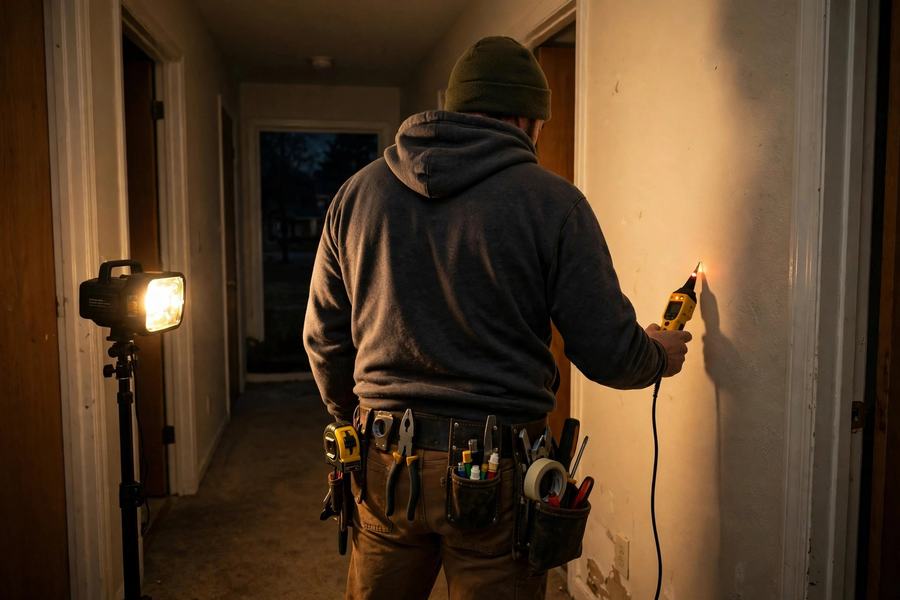
Emergency Electrical Repair
Emergency electrical repair in Englewood triaged by hazard: burning smells and instant trips treated as stop signs in Englewood, shaped by postwar homes on small original panels where small panels, modern loads, and aluminum era wiring drive the call pattern.
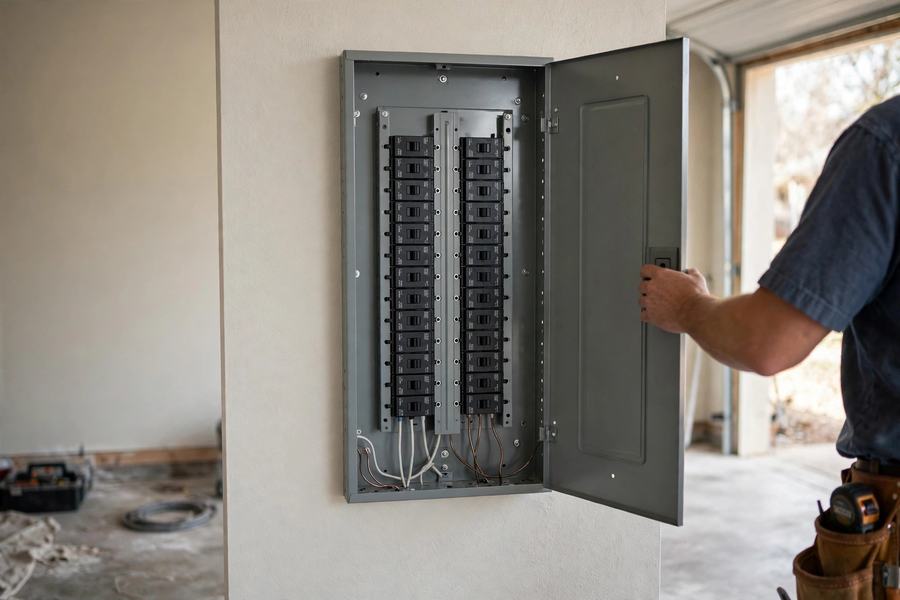
Breaker Panel Replacement & Upgrades
Panel replacement in Englewood from a shown load calculation, permitted, with the carrier's questions answered by the same document in Englewood, shaped by postwar homes on small original panels where small panels, modern loads, and aluminum era wiring drive the call pattern.
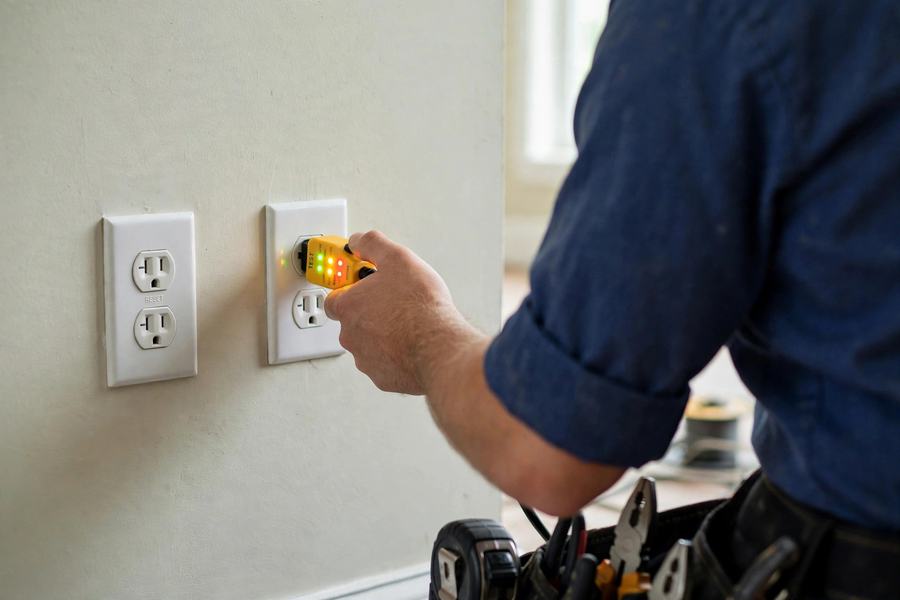
Outlet, Switch & GFCI Repair
Outlet and GFCI work in Englewood that tests the fault before replacing the messenger device, pool country discipline in Englewood, shaped by postwar homes on small original panels where small panels, modern loads, and aluminum era wiring drive the call pattern.
Whole-Home Surge Protection
Surge protection in Englewood, shaped by postwar homes on small original panels where small panels, modern loads, and aluminum era wiring drive the call pattern.
Generator Hookup & Installation questions, answered
When is generator hookup & installation an emergency?
Generator work is planned work with a seasonal deadline everyone shares: the week before a forecast storm is not when hookups get installed. The emergency note that matters all year: never run a generator in a garage or near open windows (carbon monoxide kills in outages every year), and never plug a generator into a dryer outlet to feed the house; that backfeed endangers line crews and your own panel.
What affects the price of generator hookup & installation in Englewood?
The main price factors for generator hookup & installation are covered in the cost section above. The contractor confirms the exact price in a written estimate after seeing the job, and nothing is owed until you approve it. The call and the referral are free.
What should I check about pool electrical in a Englewood home I just bought?
Three things, in writing: that the pump and heater circuits carry working GFCI protection, that the bonding grid is continuous and connected, and that the equipment pad's connections show no salt corrosion at the lugs. Pool electrical is the one system where a home inspection's paragraph is not enough in this climate; an electrician's pool-specific read is a small price against the risk it retires.
How much does an electrician cost in Englewood?
Published national guides put electricians commonly at $50 to $100 or more per hour plus a service or trip fee, with small jobs (a device replaced, a fault traced) often landing between $150 and $400 all in. By the project: breaker panel replacement commonly runs $1,300 to $3,000, a generator interlock or transfer switch hookup $500 to $1,500, whole home surge protection a few hundred dollars installed, and whole home standby generators $10,000 to $15,000 or more installed. Written pricing after the assessment, with permit costs stated, is the number to compare.
My breaker keeps tripping. What does it mean, and can I just keep resetting it?
A breaker trips for three reasons: the circuit is genuinely overloaded, there is a short or ground fault on it, or the breaker itself has failed. Resetting once after unplugging loads is reasonable diagnostics. A breaker that trips instantly, trips with nothing running, or feels warm is reporting a fault, and repeatedly forcing it is how a protection device becomes a fire starter. The tracing order is panel, then the circuit's devices and junctions, and the finding is usually a specific device, a damaged conductor, or an appliance confessing. That visit is a repair, not a mystery.
Request a callback
Prefer to talk later? Leave your details and an independent local pro will call you back. No charge to you, no obligation.
Harvard Gulch Electric is a free referral service. Submitting this form connects you with independent local contractors who provide the work.